















Enhance Your Home with Remodeling Tips from NextGen
Home remodeling can be an exciting yet daunting task. Whether you're looking to update your kitchen, create a cozy living space, or enhance your outdoor area, the right approach can make all the difference. In this blog post, we will explore practical remodeling tips that can help you transform your home into a space that reflects your style and meets your needs.
Understanding Your Goals
Before diving into any remodeling project, it's essential to clarify your goals. Ask yourself:
What areas of my home need improvement?
What is my budget?
How do I envision using the space?
Are there any specific styles or themes I want to incorporate?
By answering these questions, you can create a clear vision for your remodeling project, making it easier to make decisions down the line.
Budgeting for Your Remodel
Creating a budget is a critical step in the remodeling process. Here are some tips to help you manage your finances effectively:
Set a realistic budget: Research average costs for the type of remodeling you want to undertake. Websites like HomeAdvisor and Remodeling Magazine can provide valuable insights.
Include a contingency fund: Unexpected expenses can arise during any remodel. Setting aside 10-20% of your budget for contingencies can help you avoid financial stress.
Prioritize your spending: Identify which aspects of your remodel are most important to you. Allocate more funds to these areas while being mindful of less critical elements.
Choosing the Right Materials
Selecting the right materials can significantly impact the outcome of your remodel. Here are some considerations:
Durability: Choose materials that can withstand wear and tear, especially in high-traffic areas like kitchens and bathrooms.
Maintenance: Some materials require more upkeep than others. For example, natural stone countertops may need sealing, while quartz is generally low-maintenance.
Aesthetics: Consider how different materials will complement your overall design. For instance, pairing wood with metal accents can create a modern yet warm atmosphere.
Hiring Professionals vs. DIY
Deciding whether to hire professionals or tackle the project yourself can be challenging. Here are some factors to consider:
Skill level: Assess your own skills and experience. If you're comfortable with basic renovations, you might handle smaller projects like painting or landscaping. For more complex tasks, such as electrical work or plumbing, hiring a professional is advisable.
Time commitment: Remodeling can be time-consuming. If you have a busy schedule, hiring professionals may save you time and stress.
Cost: While DIY projects can save money, consider the value of your time and the potential for costly mistakes. Sometimes, hiring an expert can be more economical in the long run.
Creating a Functional Layout
A well-thought-out layout can enhance the functionality of your space. Here are some tips for creating an effective layout:
Flow: Ensure that there is a natural flow between rooms. Avoid placing furniture in a way that obstructs pathways.
Zoning: Consider creating zones for different activities. For example, in an open-concept living area, you might designate a reading nook, a dining space, and a play area.
Scale: Choose furniture and fixtures that are appropriately scaled for your space. Oversized items can make a room feel cramped, while too-small pieces can make it feel empty.
Lighting Matters
Lighting plays a crucial role in setting the mood and functionality of your home. Here are some lighting tips:
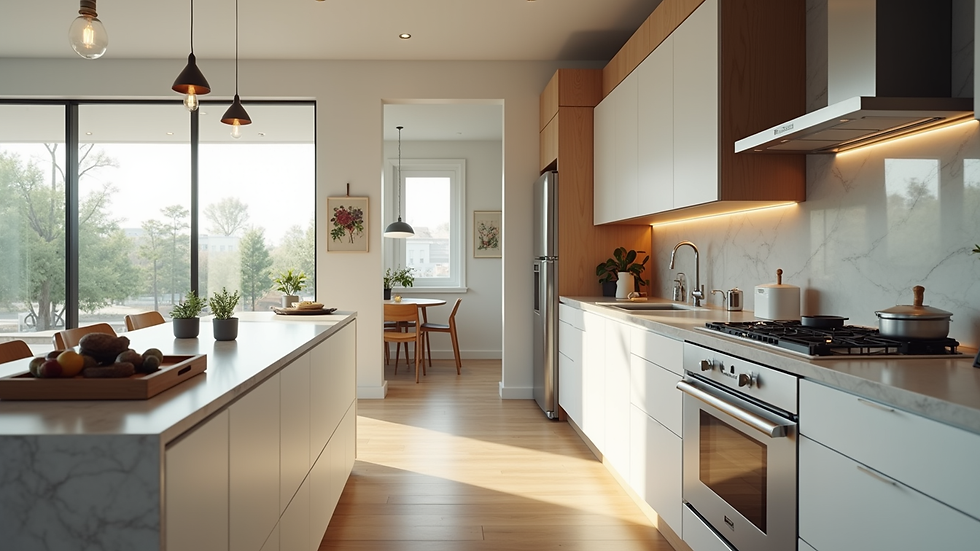
Layer your lighting: Use a combination of ambient, task, and accent lighting to create a well-lit space. For example, in a kitchen, you might use overhead lights for general illumination, under-cabinet lights for tasks, and pendant lights for style.
Natural light: Maximize natural light by using light-colored window treatments and strategically placing mirrors to reflect light.
Dimmers: Installing dimmer switches allows you to adjust the brightness according to the time of day or activity.
Choosing the Right Colors
Color can dramatically affect the mood and perception of a space. Here are some tips for selecting colors:
Consider the purpose of the room: Calming colors like blues and greens are great for bedrooms, while vibrant colors like yellows and reds can energize a kitchen or living room.
Test samples: Before committing to a color, test samples on your walls. Observe how the colors change throughout the day with different lighting.
Create harmony: Choose a color palette that flows throughout your home. This creates a cohesive look and feel.
Incorporating Technology
In today's digital age, incorporating technology into your home can enhance convenience and efficiency. Consider these options:
Smart home devices: Smart thermostats, lighting systems, and security cameras can be controlled from your smartphone, making your home more efficient and secure.
Energy-efficient appliances: Upgrading to energy-efficient appliances can save you money on utility bills while reducing your environmental impact.
Home automation systems: These systems allow you to control various aspects of your home, from lighting to temperature, with ease.
Outdoor Remodeling Ideas
Don't forget about your outdoor spaces! Here are some ideas to enhance your home's exterior:
Landscaping: Invest in landscaping to improve curb appeal. Consider native plants that require less maintenance and are better for the environment.
Outdoor living spaces: Create an inviting outdoor area with a patio, deck, or garden. This can serve as an extension of your living space, perfect for entertaining or relaxing.
Lighting: Outdoor lighting can enhance safety and ambiance. Use path lights, string lights, or spotlights to highlight features in your yard.
Sustainability in Remodeling
Sustainable remodeling practices can benefit both the environment and your wallet. Here are some ways to incorporate sustainability into your project:
Reclaimed materials: Use reclaimed wood or recycled materials for flooring, cabinetry, or furniture. This not only reduces waste but also adds character to your home.
Energy-efficient upgrades: Consider installing energy-efficient windows, insulation, and appliances to reduce your energy consumption.
Water-saving fixtures: Upgrade to low-flow faucets and toilets to conserve water without sacrificing performance.
Final Touches
Once the major renovations are complete, it's time to focus on the finishing touches. Here are some ideas to personalize your space:
Artwork and decor: Choose artwork and decor that reflect your personality and style. This can include paintings, photographs, or decorative objects.
Textiles: Incorporate textiles like rugs, curtains, and cushions to add warmth and texture to your space.
Plants: Adding plants can bring life to your home. Consider low-maintenance options like succulents or snake plants if you're not a seasoned gardener.
Summary
Remodeling your home can be a rewarding experience when approached with careful planning and consideration. By understanding your goals, budgeting wisely, choosing the right materials, and incorporating personal touches, you can create a space that truly feels like home.
As you embark on your remodeling journey, remember to stay flexible and open to new ideas. Whether you choose to tackle the project yourself or enlist the help of professionals, the end result will be a home that reflects your unique style and meets your needs.
Take the first step today by outlining your goals and creating a vision for your dream home. Happy remodeling!


Comments